Elevate Your Dinner: Mastering Irresistible Roasted Carrots at Home
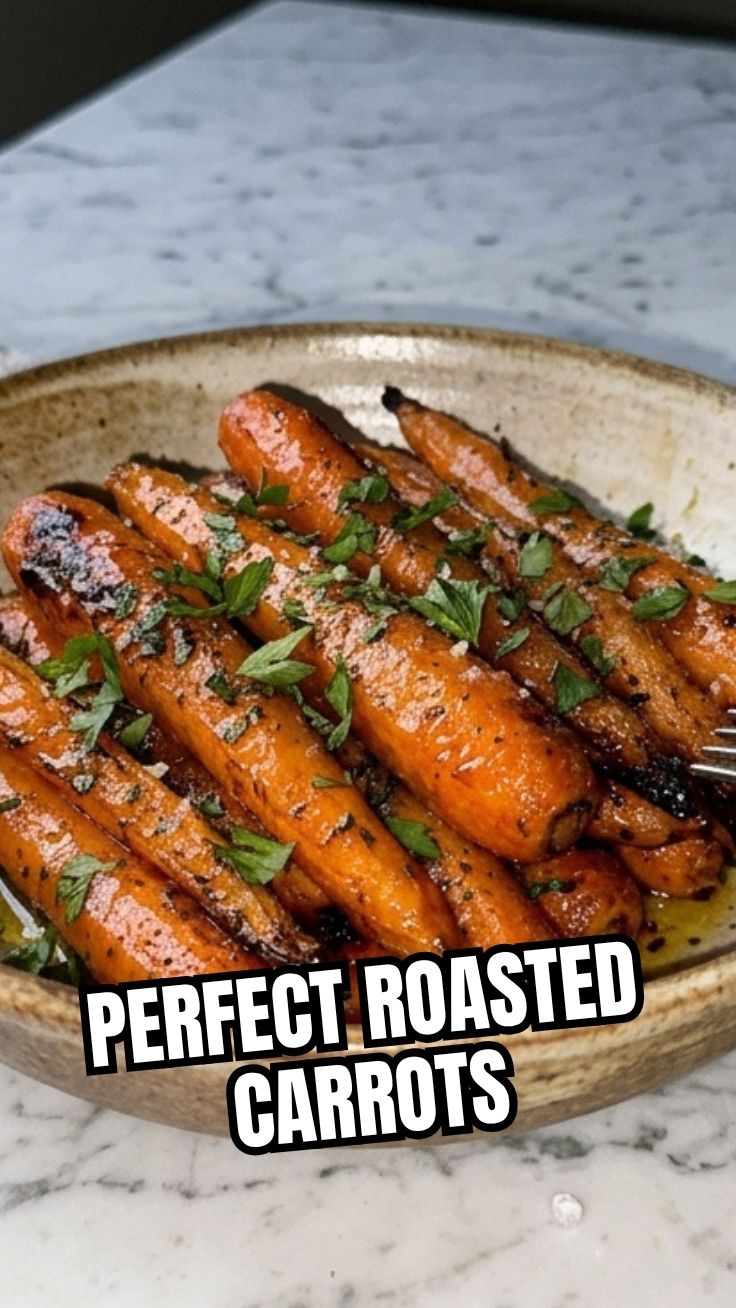
Ever wondered how some home cooks manage to transform humble root vegetables into a side dish that steals the show? The secret often lies in the simple, yet profound, technique of roasting. If you’re looking to add a touch of gourmet flair to your weeknight meals or impress guests with minimal effort, mastering the art of making delicious Roasted Carrots is an absolute game-changer. This guide will walk you through everything you need to know to create perfectly caramelized, tender-crisp carrots every single time. And while we’re at it, we’ll also delve into their sweet counterpart, the delectable Honey Roasted Carrots, ensuring your culinary repertoire is both versatile and incredibly flavorful.
Ingredients & Kitchen Tools
To embark on this delightful culinary journey, gather the following:
– 1-2 lbs Carrots: Preferably organic, medium-sized, and similar in thickness for even cooking. You can use different colored varieties for visual appeal.
– 2-3 tbsp Olive Oil: Extra virgin olive oil is ideal for its flavor and high smoke point. Avocado oil is a good alternative.
– 1/2 tsp Sea Salt: Or kosher salt, to enhance the natural sweetness.
– 1/4 tsp Black Pepper: Freshly ground for best flavor.
– Optional: 1 tbsp Fresh Herbs: Such as thyme, rosemary, or parsley, finely chopped for a fragrant finish.
– For Honey Roasted Carrots: 1-2 tbsp honey, maple syrup, or agave nectar for a sweet glaze.
– Large Baking Sheet: Preferably rimmed, to prevent juices from spilling.
– Parchment Paper or Silicone Mat: For easy cleanup and to prevent sticking.
– Vegetable Peeler: To remove the outer skin.
– Sharp Knife: For trimming and cutting.
– Large Mixing Bowl: For tossing carrots with oil and seasoning.
Prep Time & Cooking Schedule
– Prep Time: 10-15 minutes (depending on carrot size and whether you peel them).
– Cook Time: 20-30 minutes, ensuring a tender-crisp texture.
– Resting Time: 2-3 minutes out of the oven allows flavors to meld.
Plan to start prepping your carrots about 45 minutes before you want to serve them. This allows ample time for washing, peeling, cutting, and roasting to perfection.
Step-by-Step Instructions
1. Preheat Oven & Prepare Baking Sheet: Preheat your oven to 400°F (200°C). Line a large baking sheet with parchment paper or a silicone baking mat. This prevents sticking and makes cleanup a breeze.
2. Prepare the Carrots: Wash the carrots thoroughly. You can peel them or leave the skin on for extra fiber and rustic charm, especially if they are organic and well-scrubbed. Trim off both ends. For even cooking, cut larger carrots into uniformly sized pieces, about 1-inch thick. Smaller carrots can be left whole or halved lengthwise. The goal is consistent thickness across all pieces to ensure perfect Roasted Carrots.
3. Seasoning: In a large mixing bowl, combine the prepared carrots with olive oil, sea salt, and black pepper. Toss well to ensure every piece is evenly coated. This initial seasoning is crucial for infusing flavor. For those craving the sweetness of Honey Roasted Carrots, drizzle the honey or maple syrup now and toss again until glossy.
4. Arrange on Baking Sheet: Spread the seasoned carrots in a single layer on the prepared baking sheet. Do not overcrowd the pan; this is vital for roasting rather than steaming. If necessary, use two baking sheets. Crowding leads to steaming, resulting in soggy rather than caramelized vegetables.
5. Roast to Perfection: Place the baking sheet in the preheated oven. Roast for 20-30 minutes, flipping them halfway through, until the carrots are tender-crisp and beautifully caramelized with slightly browned edges. The exact time will depend on the thickness of your carrots and your oven’s calibration.
6. Garnish & Serve: Once out of the oven, transfer the carrots to a serving dish. If using fresh herbs like thyme or rosemary, sprinkle them over the hot carrots immediately to allow their aroma to release. Serve warm as a delicious side dish.
Nutritional Benefits & Advantages
Carrots are a nutritional powerhouse, especially when prepared as Roasted Carrots. They are an excellent source of beta-carotene, which the body converts into vitamin A, essential for vision, immune function, and skin health. They also provide significant amounts of vitamin K, potassium, fiber, and various antioxidants. The natural sugars in carrots become concentrated and slightly caramelized during roasting, making them inherently sweet and satisfying, potentially reducing the need for added sugars in diets.
Tips Variations & Cooking Advice
– Spice It Up: Add a pinch of smoked paprika, cumin, or chili powder for a savory, warming kick.
– Herb Power: Experiment with different fresh herbs like dill, chives, or oregano.
– Citrus Brightness: A squeeze of fresh lemon juice after roasting brightens the flavor profile.
– Garlic Infusion: Toss with minced garlic during the last 10 minutes of roasting to prevent burning, or add garlic powder with other seasonings.
– Gluten-Free/Dairy-Free: This recipe is naturally gluten-free and dairy-free, making it suitable for a wide range of dietary needs.
– Portion Control: Carrots are low in calories and nutrient-dense, making them an ideal side for healthy eating plans.
Common Mistakes to Avoid
1. Overcrowding the Pan: This is the most common mistake. It leads to steamed, limp carrots instead of beautifully caramelized ones. Give them space!
2. Uneven Cutting: Inconsistent carrot sizes will result in some pieces being undercooked and others overcooked. Aim for uniform pieces.
3. Under-Seasoning: Don’t be shy with salt and pepper. These are crucial for enhancing the carrots’ natural sweetness. For Honey Roasted Carrots, ensure the honey is evenly distributed.
4. Low Oven Temperature: Roasting requires high heat to achieve that desirable crispy exterior and tender interior. Don’t go below 375°F (190°C).
5. Not Flipping: While not strictly necessary, flipping halfway ensures even browning on all sides.
Storage & Meal Prep Tips
Leftover Roasted Carrots can be stored in an airtight container in the refrigerator for up to 3-4 days. They are fantastic in salads, grain bowls, or as a quick side for lunches. To reheat, spread them on a baking sheet and warm in a 350°F (175°C) oven for 5-10 minutes, or gently sauté them in a pan until heated through. Microwaving is an option, but it may make them slightly less firm. Freezing is generally not recommended as it alters their texture and can make them mushy upon thawing.
Conclusion
Mastering the art of delicious Roasted Carrots is a simple yet incredibly rewarding skill that elevates any meal. From their vibrant color and tender-crisp texture to their naturally sweet flavor, they offer a delightful culinary experience. Whether you prefer the savory simplicity of classic roasted carrots or the delectable sweetness of Honey Roasted Carrots, this versatile side dish is sure to become a staple in your kitchen. We encourage you to try this recipe tonight and discover just how easy it is to create a side dish that’s both healthy and utterly irresistible. Don’t forget to share your creations with us!
FAQs
Q1: Do I have to peel the carrots?
A1: No, you can leave the skin on, especially if they are organic and thoroughly scrubbed. The skin adds extra fiber and a rustic look.
Q2: Can I use baby carrots for this recipe?
A2: Yes, baby carrots work wonderfully! They usually don’t require peeling and cook slightly faster due to their smaller size. Adjust cooking time accordingly.
Q3: My carrots aren’t getting crispy. What am I doing wrong?
A3: The most common culprit is overcrowding the baking sheet. Ensure the carrots are spread in a single layer with enough space around each piece for proper airflow and caramelization. Also, make sure your oven is adequately preheated.
Q4: Can I prepare the carrots ahead of time?
A4: You can wash, peel, and cut the carrots a day in advance and store them in an airtight container in the refrigerator. However, it’s best to toss them with oil and seasonings right before roasting to prevent them from drying out or becoming soggy.
Q5: What other vegetables can I roast with carrots?
A5: Carrots pair well with many root vegetables. Potatoes, parsnips, sweet potatoes, and Brussels sprouts are excellent choices, but ensure they are cut into similar sizes for even cooking.