The Ultimate Guide to Fluffy, Flavorful, and Foolproof Mashed Potatoes
Ever wondered what transforms humble potatoes into a creamy, dreamy masterpiece that graces countless dinner tables and holiday feasts? The secret to truly exceptional Mashed Potatoes lies not just in the ingredients, but in the technique. Preparing this classic dish at home allows for unparalleled control over flavor, texture, and nutritional content. Forget bland, gluey versions; with this guide, you’ll unlock the secrets to a velvety side dish that will have everyone asking for seconds. Get ready to elevate your culinary game and explore the delightful world of potato recipes!
Ingredients & Kitchen Tools
Here’s everything you’ll need to create the perfect bowl of fluffy mashed potatoes:
- 2 lbs Russet Potatoes (or Yukon Gold): Russets are starchy and perfect for a fluffy texture; Yukon Golds offer a buttery, creamy consistency.
- 1/2 cup Whole Milk (or Half-and-Half): Adds richness and creaminess. Can substitute with plant-based milk for a dairy-free option.
- 1/4 cup Unsalted Butter: Essential for flavor and a smooth texture.
- 1 tsp Sea Salt (or to taste): Enhances all the flavors.
- 1/2 tsp Black Pepper (freshly ground, to taste): Adds a subtle kick.
- Optional: 2 cloves Garlic (minced): For a delightful savory twist.
- Optional: Fresh Chives or Parsley (chopped): For garnish and fresh flavor.
- Large Pot: For boiling the potatoes.
- Potato Masher or Ricer: A ricer yields the smoothest, fluffiest results, while a masher provides a slightly chunkier texture.
- Large Mixing Bowl: For mashing and combining ingredients.
- Measuring Cups & Spoons: For accurate ingredient portions.
- Sharp Knife & Cutting Board: For prepping potatoes.
Prep Time & Cooking Schedule
- Prep Time: 15 minutes (peeling and cutting potatoes)
- Cook Time: 15-20 minutes (boiling potatoes)
- Resting Time: 5 minutes (after mashing, to allow flavors to meld)
This recipe is surprisingly quick to prepare, making it an ideal last-minute addition to any meal. Start boiling your potatoes while you prepare other components of your dinner, and you’ll have them ready just in time.
Step-by-Step Instructions
1. Prepare the Potatoes: Wash, peel, and cut the potatoes into 1-inch uniform pieces. This ensures even cooking. Place the cut potatoes in a large pot and cover with cold water by about an inch.
2. Add Salt & Boil: Add 1 teaspoon of salt to the water. Bring to a rolling boil over high heat, then reduce heat to medium and simmer until the potatoes are fork-tender (about 15-20 minutes).
3. Drain Thoroughly: This is crucial for fluffy Mashed Potatoes! Drain the potatoes completely in a colander. For extra dryness, return them to the empty hot pot over low heat for 1-2 minutes, shaking occasionally, to evaporate any remaining moisture.
4. Heat Dairy & Butter: While potatoes are drying, gently heat the milk (and minced garlic, if using) and butter in a small saucepan until the butter is melted and the milk is warm. Do not boil.
5. Mash: Transfer the hot, drained potatoes to a large mixing bowl. Using a potato ricer or masher, mash the potatoes until most lumps are gone and they are smooth.
6. Combine & Season: Gradually pour the warm milk and butter mixture into the mashed potatoes, mixing gently until smooth and creamy. Be careful not to overmix, as this can make your potatoes gluey. Season with black pepper and adjust salt to taste.
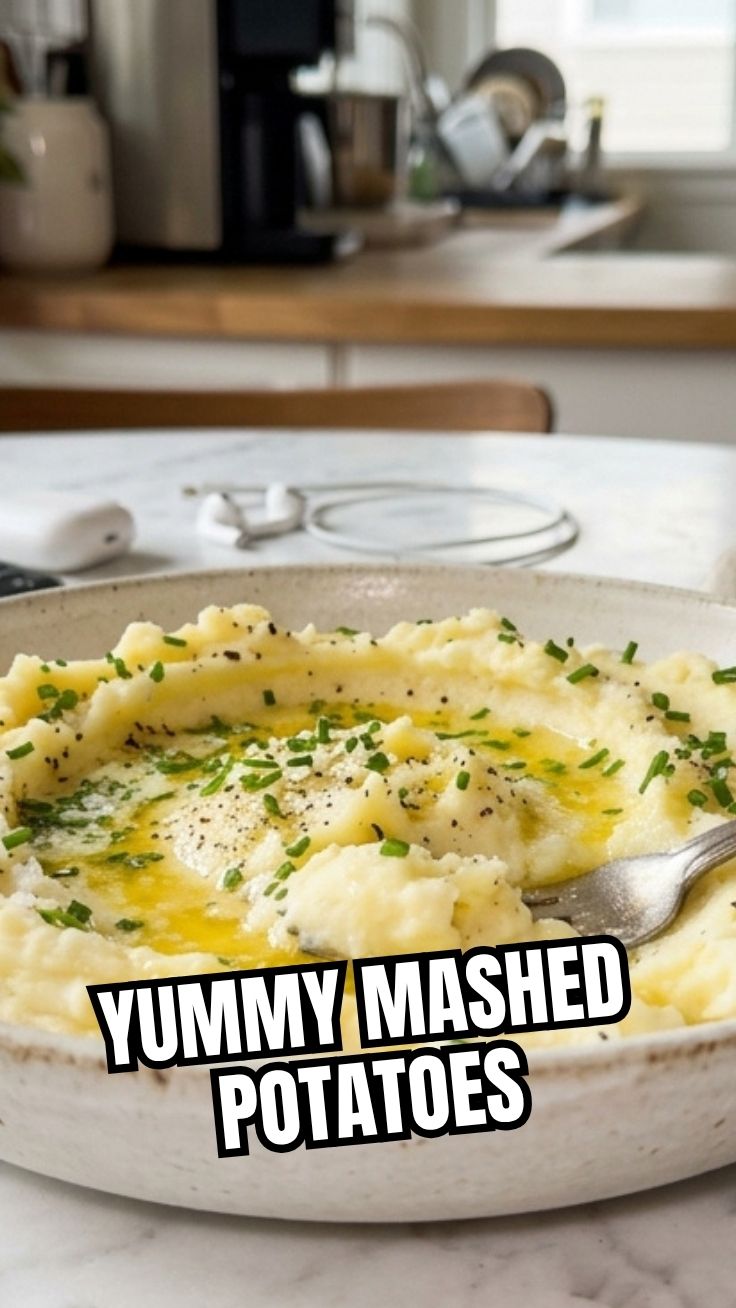
7. Serve: Transfer the fluffy potato recipes to a serving bowl. Garnish with fresh chives or parsley if desired.
Nutritional Benefits & Advantages
Potatoes, often misunderstood, are a powerhouse of nutrition when prepared correctly. They are an excellent source of Vitamin C, Vitamin B6, potassium, and dietary fiber, especially if you opt to leave some skin on. These homemade mashed potatoes, made with whole, fresh ingredients, avoid the excessive sodium and artificial additives often found in instant versions. The natural comfort and satiety they provide make them a valuable addition to a balanced meal.
Tips, Variations & Cooking Advice
- Garlic Infusion: For a deeper garlic flavor, simmer 2-3 peeled garlic cloves with the potatoes, then mash them along with the potatoes.
- Cheesy Mashed: Stir in 1/2 cup of grated sharp cheddar, Parmesan, or Gruyere cheese at the end for a rich, savory twist.
- Herbaceous: Experiment with other fresh herbs like rosemary, thyme, or sage.
- Dairy-Free: Use unsweetened plant-based milk (almond, oat, or soy) and a high-quality vegan butter substitute.
- Whip it Good: For an ultra-light texture, you can use a hand mixer on low speed for a short period after mashing, but be careful not to overmix.
- Roast before Mashing: For an unparalleled depth of flavor, roast cut potatoes with olive oil and spices until tender, then mash as directed.
Common Mistakes to Avoid
- Overboiling: Leads to waterlogged potatoes that are difficult to mash and lack consistent texture.
- Cold Dairy: Adding cold milk and butter will cool down your potatoes, making them harder to incorporate and resulting in a less smooth mixture.
- Overmixing: The number one culprit for gummy or gluey mashed potatoes. Starchy potatoes release too much starch when overmixed, leading to an undesirable texture. Mash until just combined.
- Not Draining Properly: Excess water makes for watery, bland mashed potatoes.
- Not Salting the Water: Seasoning from the start helps flavor the potatoes from the inside out.
Storage & Meal Prep Tips
Store leftover mashed potatoes in an airtight container in the refrigerator for up to 3-4 days. To reheat, gently warm on the stovetop over low heat, adding a splash of milk or broth to restore creaminess, or microwave in short intervals, stirring occasionally. Freezing is possible, but the texture may change slightly upon thawing. If freezing, allow to cool completely, then portion into freezer-safe bags or containers for up to 2 months. Reheat from frozen in the oven or on the stovetop with added liquid.
Conclusion
Mastering the art of Mashed Potatoes is a culinary triumph that elevates any meal. With this detailed guide, you’re now equipped with the knowledge to consistently create the fluffiest, most flavorful rendition of this beloved classic. Remember the importance of proper drainage, warm dairy, and gentle mixing, and you’ll always achieve perfect results. So go ahead, experiment with these potato recipes, share your delicious creations, and delight in the comforting magic of homemade mashed potatoes!
FAQs
Q1: Can I make mashed potatoes ahead of time for a party?
A1: Yes! You can prepare them up to a day in advance. Reheat gently on the stovetop or in a slow cooker on a warm setting, stirring in extra milk or butter as needed to restore creaminess.
Q2: What is the best type of potato for mashing?
A2: Starchy potatoes like Russets are ideal for a fluffy texture. Yukon Golds offer a creamier, buttery result. Avoid waxy potatoes (like red or new potatoes) as they tend to be gluey when mashed.
Q3: My mashed potatoes ended up gummy. What went wrong?
A3: Gummy mashed potatoes are usually a result of overmixing. When potatoes are overworked, their starch molecules break down and become sticky. Mash just until smooth.
Q4: How can I add extra flavor to my mashed potatoes?
A4: Besides garlic and herbs, consider adding roasted onion, cream cheese or sour cream for tang, a pinch of nutmeg, or even a drizzle of truffle oil for an gourmet touch.
Q5: Is it better to use a masher or a ricer?
A5: A potato ricer generally produces the smoothest, fluffiest, and lightest mashed potatoes. However, a traditional masher works well if you prefer a slightly chunkier or more rustic texture.