The Ultimate Comfort in a Bowl: Crafting the Perfect Beef Stew at Home
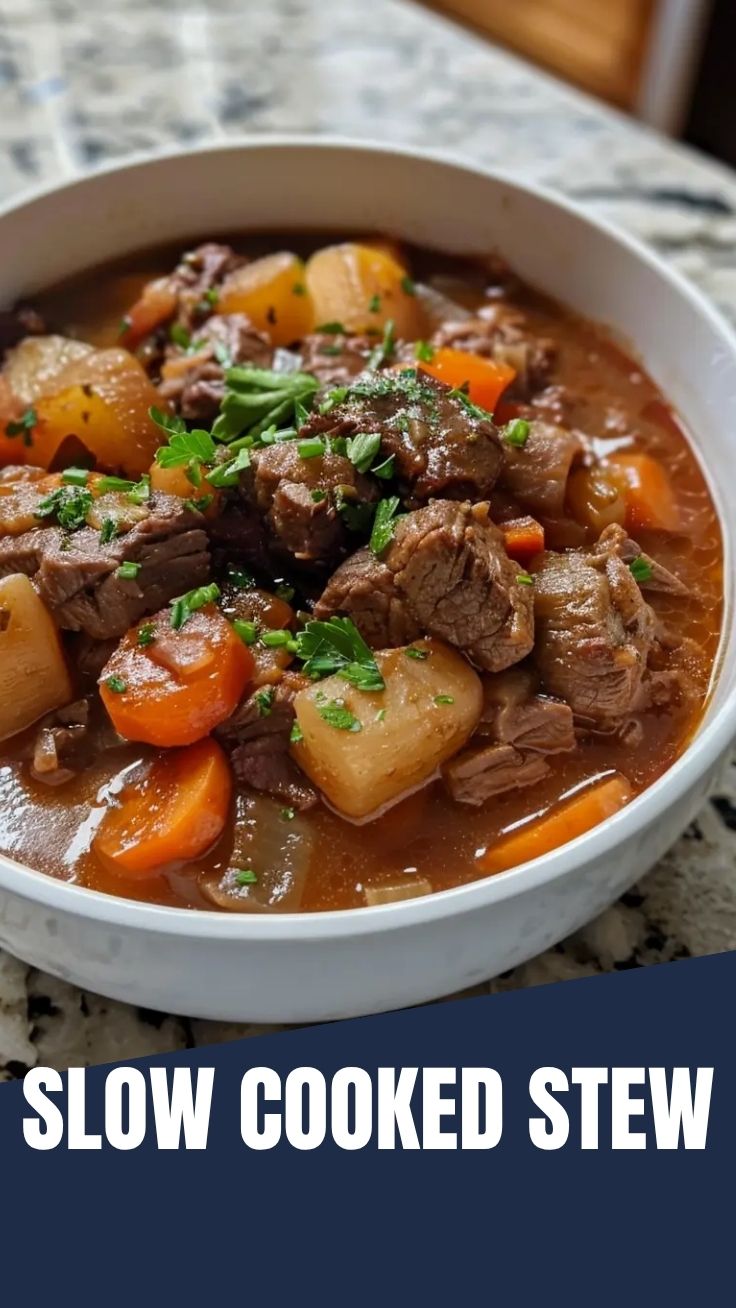
Ever dreamt of a meal that warms you from the inside out, offering both hearty satisfaction and comforting flavors? Look no further than the humble yet extraordinary Beef Stew. In a world of fast-paced dining, the act of preparing a delicious home-cooked Recipe like this is an invaluable experience. It’s not just about nourishing your body; it’s about creating memories, engaging your senses, and taking pride in a dish that comes together with care. This comprehensive guide will walk you through every step of creating a luscious and flavorful beef stew that will undoubtedly become a staple in your culinary repertoire. Forget bland, watery versions; we’re talking about rich, succulent pieces of beef nestled among tender vegetables in a deeply savory gravy.
Ingredients & Kitchen Tools
To embark on this culinary journey, gather the following:
- 2 lbs Beef Chuck, cut into 1-inch cubes: This cut is ideal for stewing as it becomes incredibly tender over long cooking times.
- 2 tbsp Olive Oil: For searing the beef and sautéing aromatics, adding depth of flavor.
- 1 large Yellow Onion, chopped: Provides a foundational layer of sweetness and aroma.
- 3 cloves Garlic, minced: Essential for that pungent, aromatic kick.
- 1 cup Dry Red Wine (e.g., Cabernet Sauvignon, Merlot): Adds acidity and complex notes, deepening the stew’s flavor profile. (Optional: Substitute with beef broth for an alcohol-free version.)
- 4 cups Beef Broth: The liquid base for the stew, providing richness and body.
- 1 (14.5 oz) can Diced Tomatoes, undrained: Contributes tanginess and helps thicken the sauce.
- 2 large Carrots, peeled and cut into 1/2-inch pieces: Adds sweetness and vibrant color.
- 2 stalks Celery, cut into 1/2-inch pieces: Provides a subtle peppery note and textural contrast.
- 3 large Potatoes (e.g., Russet, Yukon Gold), peeled and cut into 1-inch cubes: Starchy vegetables that absorb flavor and add substance.
- 2 Bay Leaves: Infuses an herbal, slightly bitter aroma.
- 1 tsp Dried Thyme: Classic herb pairing for beef, offering earthy and floral notes.
- Salt and Freshly Ground Black Pepper, to taste: Essential for seasoning and enhancing all the flavors.
- 2 tbsp All-Purpose Flour (optional): To thicken the stew if desired.
- 1/4 cup Fresh Parsley, chopped: For garnish, adding freshness and a pop of color.
Kitchen Tools:
- Large Dutch Oven or Heavy-Bottomed Pot: Ideal for even heat distribution and long simmering.
- Cutting Board and Sharp Knife: For preparing ingredients.
- Large Spoon or Spatula: For stirring and searing.
- Measuring Cups and Spoons: For accurate ingredient quantities.
Prep Time & Cooking Schedule
- Prep Time: 25 minutes
- Cook Time: 2 hours and 30 minutes to 3 hours
- Resting Time: 10-15 minutes (after cooking, allows flavors to meld and beef to relax)
This Beef Stew Recipe requires a bit of patience, but the majority of the cooking is hands-off simmering. Plan to start approximately 3 hours before you intend to serve to allow ample time for the beef to become fork-tender and for the flavors to deepen. This makes it a perfect weekend project or a dish to prepare on a day when you’re working from home.
Step-by-Step Instructions
1. Sear the Beef: Pat the beef cubes dry with paper towels. Season generously with salt and pepper. Heat olive oil in a large Dutch oven over medium-high heat. Working in batches to avoid overcrowding, sear the beef on all sides until deeply browned. This caramelization creates a rich flavor base. Remove seared beef and set aside.
2. Sauté Aromatics: Add chopped onion to the pot, reducing heat to medium. Sauté for 5-7 minutes until softened and translucent, scraping up any browned bits from the bottom of the pot. Stir in minced garlic and cook for another minute until fragrant.
3. Deglaze and Build Flavor: Pour in the red wine (if using), scraping the bottom of the pot to loosen any remaining flavorful bits. Simmer for 2-3 minutes until the wine has slightly reduced.
4. Combine Ingredients: Return the seared beef to the pot. Add beef broth, diced tomatoes (undrained), bay leaves, and dried thyme. Bring to a simmer, then reduce heat to low, cover, and cook for 1 hour and 30 minutes, or until the beef is fork-tender. Check periodically to ensure liquid levels are adequate.
5. Add Vegetables: Stir in the carrots, celery, and potatoes. Continue to simmer, covered, for another 45 minutes to 1 hour, or until the vegetables are tender.
6. Thicken (Optional): If a thicker stew is desired, in a small bowl, whisk together 2 tablespoons of flour with 1/4 cup of cold water until smooth. Stir this slurry into the simmering stew and cook for a few more minutes until thickened to your liking.
7. Season and Serve: Remove bay leaves. Taste and adjust seasoning with additional salt and pepper as needed. Garnish with fresh parsley before serving. Enjoy your homemade Beef Stew, a truly comforting and satisfying Recipe.
Nutritional Benefits & Advantages
This hearty Beef Stew is a nutritional powerhouse. Beef chuck is an excellent source of high-quality protein, essential for muscle repair and growth, and rich in iron and zinc, vital for energy and immune function. The array of vegetables—carrots, celery, and potatoes—contributes a wealth of vitamins, minerals, and dietary fiber. Carrots provide beta-carotene for eye health, while potatoes offer complex carbohydrates for sustained energy. Tomatoes deliver antioxidants like lycopene. The slow cooking process tenderizes the meat and allows the flavors to meld beautifully, creating a satisfying and nutrient-dense meal that keeps you full and energized.
Tips, Variations & Cooking Advice
- Spice It Up: Add a pinch of red pepper flakes for a subtle heat.
- Herb Variations: Rosemary or marjoram can be used in place of thyme for a different aromatic profile.
- Vegetable Swap: Feel free to incorporate other root vegetables like parsnips, turnips, or sweet potatoes. Peas can be stirred in during the last 10 minutes of cooking for added sweetness and color.
- Slow Cooker Method: After searing the beef and sautéing the aromatics, transfer everything to a slow cooker. Cook on low for 6-8 hours or on high for 3-4 hours. Add potatoes and carrots during the last 2 hours of cooking to prevent them from becoming mushy.
- Pressure Cooker Method: This will drastically reduce cooking time. Follow the searing and sautéing steps. Add all ingredients (except the flour slurry) to the pressure cooker. Cook on high pressure for 35-45 minutes, then allow for natural release.
- Dairy-Free/Gluten-Free: This recipe is naturally dairy-free. For a gluten-free option, use a gluten-free all-purpose flour blend for thickening or simply omit it for a thinner stew.
Common Mistakes to Avoid
- Overcrowding the Pot: When searing beef, cook in batches. Overcrowding lowers the pan temperature, leading to steamed rather than properly browned meat, which impacts flavor.
- Not Searing Properly: Browning the beef is crucial for developing deep, rich flavors. Don’t rush this step.
- Adding Vegetables Too Soon: Adding delicate vegetables like potatoes and carrots at the beginning will result in them becoming mushy. Timing is key to perfect texture.
- Skipping the Deglazing: Those browned bits at the bottom of the pot are pure flavor gold. Deglazing with wine or broth releases them into your stew.
- Insufficient Seasoning: Taste and adjust seasoning throughout the cooking process, especially at the end. A well-seasoned stew elevates all the ingredients.
Storage & Meal Prep Tips
Storage: Leftover Beef Stew can be stored in an airtight container in the refrigerator for up to 3-4 days.
Freezing: This stew freezes beautifully! Allow it to cool completely, then transfer to freezer-safe containers or bags. It will keep in the freezer for up to 3 months. Thaw overnight in the refrigerator before reheating.
Reheating: Reheat gently on the stovetop over medium-low heat, stirring occasionally, until heated through. You might need to add a splash of beef broth or water to thin if it has thickened too much. Avoid high heat as it can break down the textures.
Conclusion
There’s something incredibly satisfying about a homemade Beef Stew, a meal that transcends simple sustenance and becomes an experience in itself. This detailed guide has equipped you with the knowledge and techniques to create a truly memorable Recipe that is both comforting and nutritious. We encourage you to try this recipe and savor the rich, complex flavors that only a slow-cooked, homemade stew can provide. Share your creations, experiment with variations, and make this classic dish your own!
FAQs
Q1: Can I make this stew in a slow cooker?
A1: Absolutely! After searing the beef and sautéing the aromatics, transfer all ingredients to your slow cooker. Cook on low for 6-8 hours or on high for 3-4 hours, adding the potatoes and carrots for the last 2 hours.
Q2: What’s the best type of beef for stew?
A2: Beef chuck is highly recommended due to its excellent marbling and connective tissue, which breaks down during slow cooking, resulting in incredibly tender and flavorful meat.
Q3: How can I make my stew thicker without using flour?
A3: For a gluten-free option or to avoid flour, you can mash a portion of the cooked potatoes from the stew against the side of the pot. Their starch will naturally thicken the liquid. Alternatively, simmer uncovered for the last 30 minutes to reduce the sauce.
Q4: Can I add other vegetables?
A4: Yes, feel free to get creative! Mushrooms, parsnips, turnips, or even frozen peas (added in the last 10 minutes) would make delicious additions.
Q5: My stew isn’t tender enough. What went wrong?
A5: The most common reason for tough stew is insufficient cooking time. Beef chuck needs a long, slow simmer to become tender. If it’s still tough, simply continue cooking until it reaches the desired texture.