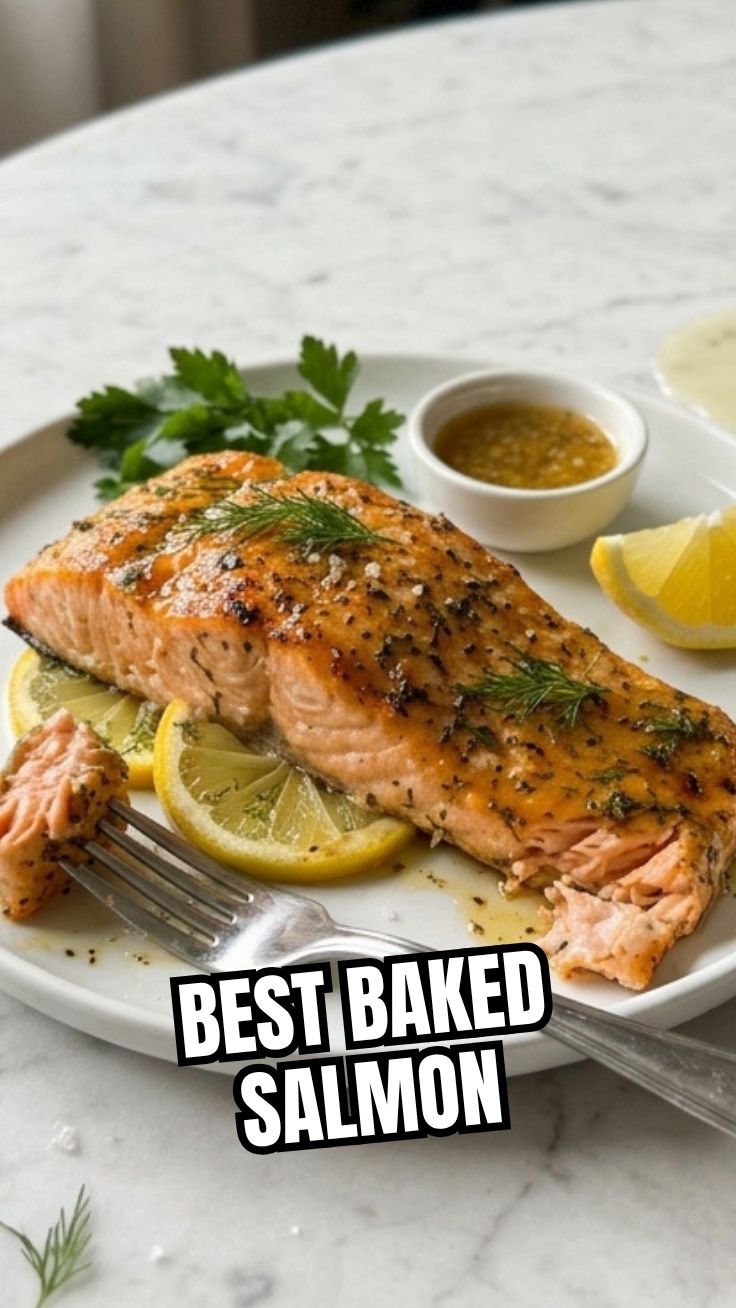
Unlock the Perfect Flaky Fish: Your Guide to a Masterful Baked Salmon
Are you ready to transform your dinner routine from mundane to magnificent with minimal effort and maximum flavor? Imagine a dish that’s both elegant enough for entertaining and simple enough for a weeknight, packed with heart-healthy goodness. Today, we’re diving into the world of incredibly flavorful Baked Salmon. This method, along with the tantalizing technique of Cedar Plank Salmon, offers a gateway to succulent, flaky fish that truly impresses. Preparing this culinary delight at home not only saves you money but also empowers you to control the quality of your ingredients and tailor the flavors to your exact preference. Let’s embark on a journey to create a truly unforgettable meal.
Ingredients & Kitchen Tools
To embark on this culinary adventure, gather the following:
- 1.5 lbs Salmon Fillet: Center-cut, skin-on or off (skin-on helps keep it moist).
- 2 tbsp Olive Oil: Extra virgin, for coating and flavor.
- 1 tsp Garlic Powder: Or 2-3 cloves fresh garlic, minced, for aromatic depth.
- 1/2 tsp Dried Dill: Or 1 tbsp fresh dill, chopped, for a classic complement to salmon.
- 1/4 tsp Black Pepper: Freshly ground, to taste.
- 1/2 tsp Sea Salt: Or kosher salt, essential seasoning.
- 1 Lemon: Half for slices, half for juicing, adds brightness.
- Optional: 1 tbsp fresh parsley, chopped, for garnish and fresh flavor.
- Baking Sheet: Large enough to comfortably fit your salmon fillet.
- Parchment Paper or Aluminum Foil: For easy cleanup and even cooking.
- Small Mixing Bowl: For combining seasonings.
- Spatula: For transferring.
- Meat Thermometer: Crucial for ensuring perfect doneness.
Prep Time & Cooking Schedule

- Prep Time: 10 minutes (add 30 minutes if marinating).
- Cook Time: 12-18 minutes (depending on thickness).
- Resting Time: 5 minutes (essential for juicy results).
This recipe is designed for maximum efficiency. You can prep the salmon and marinade it for 30 minutes to an hour for enhanced flavor, making it a perfect candidate for busy weeknights when you want a gourmet meal without the fuss.
Step-by-Step Instructions
1. Preheat & Prepare: Preheat your oven to 400°F (200°C). Line a baking sheet with parchment paper or aluminum foil for easy cleanup.
2. Pat Dry: Gently pat the salmon fillet dry with paper towels. This helps achieve a nice crust and ensures the seasonings adhere well.
3. Seasoning Blend: In a small bowl, combine olive oil, garlic powder (or minced garlic), dried dill, salt, and pepper.
4. Coat the Salmon: Place the salmon on the prepared baking sheet. Drizzle and rub the seasoning blend evenly over the entire fillet. Place lemon slices on top of the salmon.
5. Bake to Perfection: Bake for 12-18 minutes, or until the internal temperature reaches 145°F (63°C) at its thickest part. The cooking time will vary based on the thickness of your fillet. For a truly succulent Baked Salmon, avoid overcooking.
6. Rest & Serve: Once cooked, remove the salmon from the oven and let it rest for 5 minutes. This allows the juices to redistribute, resulting in a more tender and flavorful fish. If you’re exploring the smoky nuances of Cedar Plank Salmon, the resting time is equally important to seal in that distinct aroma. Squeeze fresh lemon juice over the top and garnish with fresh parsley, if desired.
Nutritional Benefits & Advantages
Salmon is a powerhouse of nutrition. It’s an excellent source of omega-3 fatty acids, known for their powerful anti-inflammatory properties and benefits for heart and brain health. It’s also rich in high-quality protein, essential vitamins (like B12 and D), and minerals such as potassium and selenium. Opting for a baked preparation method keeps the fat content lower than frying, making it a healthier choice without sacrificing flavor.
Tips, Variations & Cooking Advice
- Flavor Variations: Experiment with different herbs like rosemary or thyme, or try a Mediterranean twist with oregano and feta. A spicy kick can be added with a pinch of red pepper flakes.
- Marinades: For an extra layer of flavor, marinate the salmon in a mixture of soy sauce, ginger, and honey for at least 30 minutes before baking.
- Alternative Cooking Methods: While baking is fantastic, consider grilling or pan-searing for different textures. And of course, the distinctive preparation of Cedar Plank Salmon offers an unparalleled smoky depth.
- Doneness: Salmon is cooked when it flakes easily with a fork. Aim for an internal temperature of 145°F (63°C) for moist, tender results.
Common Mistakes to Avoid
- Overcooking: This is the most common mistake! Overcooked salmon becomes dry and tough. Use a meat thermometer to ensure perfect doneness.
- Not Patting Dry: This prevents the skin from crisping (if left on) and the seasonings from adhering properly.
- Not Seasoning Enough: Salmon can handle bold flavors. Don’t be shy with your herbs and spices.
- Crowding the Pan: If cooking multiple fillets, ensure they have enough space to cook evenly without steaming.
Storage & Meal Prep Tips
Leftover baked salmon can be stored in an airtight container in the refrigerator for up to 3 days. It’s excellent flaked over salads, in sandwiches, or added to pasta dishes. To reheat, gently warm in the oven at a low temperature (around 275°F/135°C) for 10-15 minutes, or until just warmed through, to prevent drying. Avoid microwaving if possible, as it can make the fish rubbery. Baked salmon does not freeze particularly well as cooked fish can lose its texture, but if you must, aim for airtight freezing for up to 2-3 months.
Conclusion
Mastering the art of Baked Salmon is a game-changer for any home cook. It’s a testament to how simple ingredients, combined with the right technique, can yield a truly extraordinary meal. Whether you prefer the classic bake or the smoky allure of Cedar Plank Salmon, the result is a healthy, delicious, and satisfying dish that will quickly become a family favorite. Don’t be afraid to experiment with flavors and make this recipe your own. We encourage you to try this recipe tonight and experience the joy of perfectly cooked salmon! Share your culinary creations in the comments below – we’d love to see them!
FAQs
Q1: How do I know when my salmon is perfectly cooked without a thermometer?
A1: The salmon is cooked when it flakes easily with a fork at its thickest part and changes from translucent to opaque throughout. However, a meat thermometer is the most reliable way to ensure ideal doneness.
Q2: Can I substitute other fish for salmon in this recipe?
A2: Yes, white fish like cod, halibut, or sea bass can be used, though cooking times may vary slightly based on thickness and density. Keep an eye on the internal temperature for best results.
Q3: What side dishes pair well with baked salmon?
A3: Roasted asparagus, steamed green beans, a fresh garden salad, quinoa, or wild rice are all excellent choices that complement the rich flavor of salmon without overpowering it.
Q4: My salmon always comes out dry. What am I doing wrong?
A4: The most common culprit is overcooking. Ensure you’re not baking it for too long, and consider checking the internal temperature at 145°F (63°C). Also, letting it rest for 5 minutes after baking helps retain moisture.
Q5: Can I prepare this recipe ahead of time for meal prep?
A5: You can season the salmon a few hours ahead and keep it refrigerated. However, salmon is best enjoyed fresh from the oven. Cooked leftovers can be meal-prepped for up to 3 days in the fridge.