Sizzle Your Way to Flavor: Unlocking the Secrets of a Perfect Chicken Stir Fry
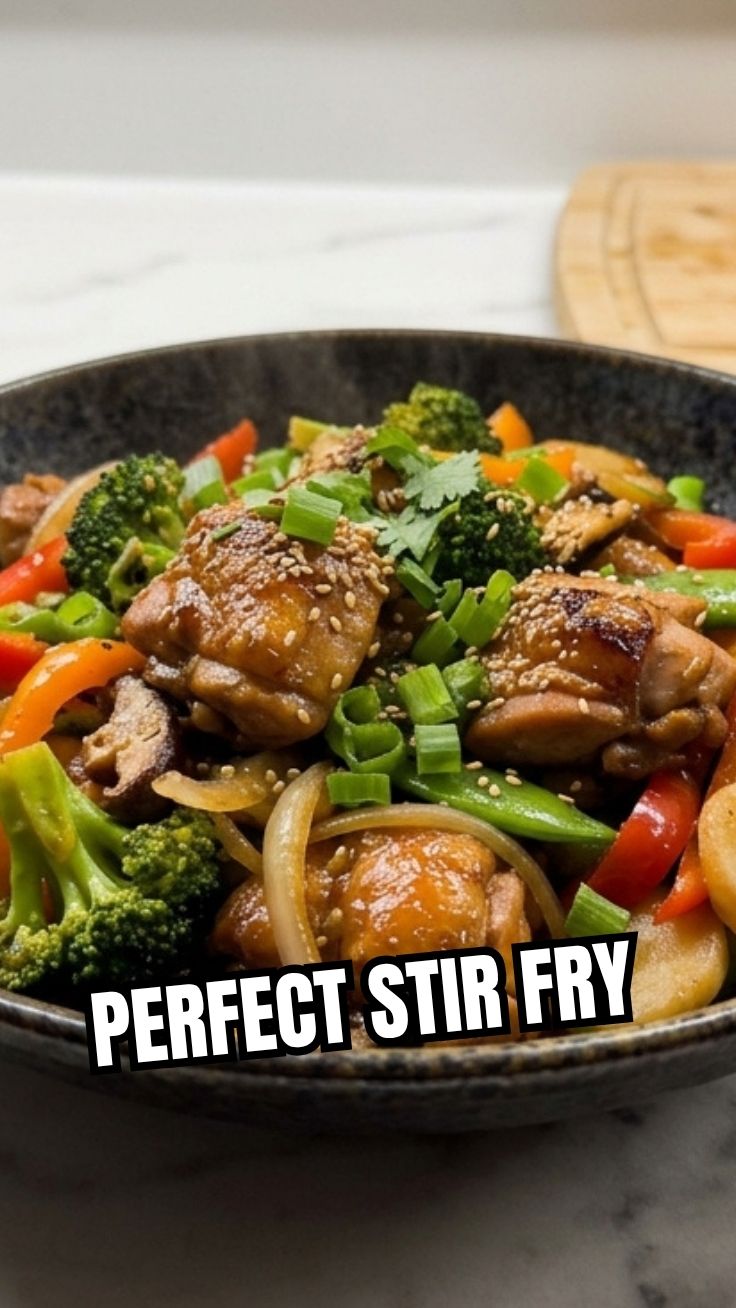
Ever wondered how to whip up a weeknight meal that’s both explosively flavorful and incredibly nutritious? The answer often lies in the dynamic world of stir-frying. Today, we’re diving deep into the art of crafting an exceptional Chicken Stir Fry—a dish that epitomizes culinary efficiency and vibrant taste. Beyond just being quick, learning to prepare this at home gives you complete control over your ingredients, allowing you to sidestep unhealthy additives and embrace the goodness of fresh produce. This guide isn’t just about following a recipe; it’s about mastering the techniques that elevate simple ingredients into something truly extraordinary. We’ll explore how this versatile preparation method effortlessly leads to incredible Healthy stir fry recipes.
Ingredients & Kitchen Tools
- Boneless, Skinless Chicken Thighs (1.5 lbs): Preferred over breast for juiciness and flavor, but breast meat works if you prefer. Cut into 1-inch pieces.
- Bell Peppers (2, various colors): A mix of red, yellow, and orange adds sweetness and visual appeal. Sliced thinly.
- Broccoli Florets (1 head): Provides a satisfying crunch and nutrient boost. Small florets ensure even cooking.
- Carrots (2 medium): Adds vibrant color and subtle sweetness. Cut into thin matchsticks.
- Snap Peas (1 cup): For a fresh, crisp texture.
- Garlic (4 cloves): Minced; the aromatic foundation of any good stir-fry.
- Fresh Ginger (1-inch piece): Grated; imbues a zesty, warm essence.
- Soy Sauce (1/4 cup): The salty umami base of our sauce. Use low-sodium if preferred.
- Oyster Sauce (2 tbsp): Adds a rich, savory depth. Optional, but highly recommended for authentic flavor.
- Rice Vinegar (1 tbsp): Provides a touch oftangy brightness.
Toasted Sesame Oil (1 tsp): A finishing oil for nutty aroma. Do not substitute with regular sesame oil for cooking.*
- Cornstarch (1 tbsp): Creates a silky glaze for the sauce.
- Water or Chicken Broth (2 tbsp): To dissolve cornstarch and thin the sauce.
- Vegetable Oil (2 tbsp): High smoke point oil for stir-frying.
- Optional Garnishes: Toasted sesame seeds, chopped green onions, a squeeze of lime.
Kitchen Tools:
- Large Wok or Skillet: Essential for even heat distribution and quick cooking.
- Sharp Knife & Cutting Board: For efficient ingredient preparation.
- Small Bowl: For mixing the sauce.
- Spatula: Preferably a wide, flat one for tossing ingredients.
Prep Time & Cooking Schedule
- Prep Time: 20-25 minutes (includes chopping all vegetables and chicken).
- Marinating Time: 15 minutes (for the chicken). This step can be done while you’re chopping vegetables.
- Cook Time: 10-12 minutes
- Total Time: Approximately 45-50 minutes
To plan your cooking, start by preparing your sauce and setting it aside. Then, chop all your vegetables. While the vegetables are ready, cube your chicken and allow it to marinate briefly. This systematic approach ensures all ingredients are ready for the fast-paced stir-frying process, making the actual cooking incredibly quick and stress-free.
Step-by-Step Instructions
1. Prepare the Chicken: In a medium bowl, combine the chicken pieces with 1 tablespoon of soy sauce, 1 teaspoon of cornstarch, and a pinch of black pepper. Toss well and let marinate for at least 15 minutes while you prepare other ingredients. This tenderizes the chicken and helps the sauce cling better.
2. Whisk the Sauce: In a separate small bowl, whisk together the remaining soy sauce, oyster sauce (if using), rice vinegar, toasted sesame oil, and the remaining 1 tablespoon of cornstarch dissolved in 2 tablespoons of water or chicken broth. Set aside.
3. Heat the Wok: Heat 1 tablespoon of vegetable oil in a large wok or skillet over high heat until it just begins to smoke. High heat is critical for achieving that characteristic stir-fry crispness.
4. Cook the Chicken: Add the marinated chicken to the hot wok in a single layer. Don’t overcrowd the pan; cook in batches if necessary. Stir-fry for 3-4 minutes until golden brown and cooked through. Remove the chicken from the wok and set aside.
5. Stir-fry Aromatics & Vegetables: Add the remaining 1 tablespoon of vegetable oil to the wok. Add minced garlic and grated ginger and stir-fry for 30 seconds until fragrant. Immediately add carrots and broccoli florets, stir-frying for 2-3 minutes until slightly tender-crisp.
6. Add Remaining Vegetables: Add bell peppers and snap peas to the wok. Stir-fry for another 2-3 minutes until bright in color and tender-crisp. The key is to keep the vegetables crisp, not soggy.
7. Combine & Sauce: Return the cooked chicken to the wok with the vegetables. Give your prepared sauce a quick re-whisk to ensure the cornstarch hasn’t settled, then pour it over the chicken and vegetables.
8. Thicken the Sauce: Stir continuously for 1-2 minutes until the sauce thickens and coats all the ingredients beautifully. Your homemade Chicken Stir Fry is almost ready!
9. Serve: Remove from heat immediately. Garnish with sesame seeds and green onions, if desired. Serve hot over steamed rice, quinoa, or noodles. This showcases how straightforward and rewarding amazing Healthy stir fry recipes can be.
Nutritional Benefits & Advantages
This Chicken Stir Fry is a powerhouse of nutrition. Lean protein from the chicken supports muscle growth and satiety. The abundance of colorful vegetables—bell peppers, broccoli, carrots, and snap peas—provides a rich array of vitamins (A, C, K), minerals, and dietary fiber, essential for digestion and overall health. The quick cooking method preserves the nutritional integrity of the vegetables, ensuring you get the most out of each bite. Furthermore, by making it at home, you control sodium levels and avoid added sugars often found in pre-made sauces, making it an inherently better choice compared to takeout options.
Tips, Variations & Cooking Advice
- Flavor Variations: Experiment with different sauces! Add a dash of sriracha for heat, a spoonful of brown sugar for sweetness, or a squeeze of lime juice for extra zest.
- Ingredient Swaps:
* Protein: Tofu, shrimp, beef, or pork can easily replace chicken. Adjust cooking times accordingly.
* Vegetables: Almost any crisp vegetable works well in a stir-fry. Try mushrooms, bok choy, zucchini, or Brussels sprouts.
- Alternative Cooking Methods: While a wok is ideal, a large, heavy-bottomed skillet works perfectly well. Ensure it’s hot enough before adding ingredients.
- Portion Changes: This recipe scales easily. Double or halve ingredients as needed for more or fewer servings.
- Dietary Adaptations:
* Gluten-Free: Use tamari instead of soy sauce.
* Dairy-Free: This recipe is naturally dairy-free.
* Low-Sodium: Opt for low-sodium soy sauce and broth.
* Vegetarian/Vegan: Replace chicken with tofu or tempeh and use vegetarian oyster sauce (or omit).
Common Mistakes to Avoid
- Overcrowding the Wok: This is the most common mistake. Too many ingredients lower the wok’s temperature, leading to steaming instead of stir-frying, resulting in soggy vegetables and boiled (not seared) meat. Cook in batches if necessary.
- Under-heating the Wok: A cold wok will cause ingredients to stick and steam, preventing the desired crisp-tender texture. Always ensure your oil is shimmering or just smoking before adding anything.
- Overcooking Vegetables: Stir-fries are meant to have tender-crisp vegetables. Don’t cook them until they’re limp.
- Not Having Everything Prepped: Stir-frying is fast-paced. Misen place (everything in its place) is crucial. Have all ingredients chopped, sauces mixed, and ready to go before you turn on the heat.
Storage & Meal Prep Tips
- Storage: Leftover Chicken Stir Fry should be stored in an airtight container in the refrigerator for up to 3-4 days. It’s best to store any accompanying rice or noodles separately if possible, to prevent them from becoming soggy.
- Freezing: While cooked stir-fry can be frozen, the texture of the vegetables may become softer upon reheating. Freeze in individual portions in airtight containers for up to 2-3 months.
- Reheating: For best results, reheat on the stovetop in a skillet over medium heat, stirring occasionally, until warmed through. You can also microwave, but the texture might be less desirable. Add a splash of water or broth if it seems dry.
Conclusion
Mastering the art of stir-frying opens up a world of quick, healthy, and incredibly flavorful meals. This Chicken Stir Fry recipe is not just a dish; it’s a testament to how simple techniques and fresh ingredients can transform your weeknight cooking. By embracing principles of high heat, swift motion, and thoughtful component preparation, you’re not just making dinner—you’re cultivating a healthier, more delicious lifestyle. We hope you feel inspired to give this recipe a try and discover the joy of crafting your own perfect Healthy stir fry recipes. Share your culinary creations and let us know how it turned out!
FAQs
Q1: Can I use frozen vegetables for stir-fry?
A1: Yes, you can use frozen vegetables, but they might release more water and alter the texture. Thaw them completely and pat them dry before adding to the wok to minimize excess moisture.
Q2: What’s the best way to get crispy chicken in a stir-fry?
A2: Ensure your wok is screaming hot, don’t overcrowd the pan, and cook the chicken in batches if necessary. Marinating with a little cornstarch also helps create a thin, crispy coating.
Q3: How can I make my stir-fry spicy?
A3: Add sliced fresh chilies (like bird’s eye chilies) with the garlic and ginger, or incorporate sriracha, chili garlic sauce, or red pepper flakes into your sauce mixture.
Q4: My sauce isn’t thickening. What went wrong?
A4: This usually means the cornstarch wasn’t properly dissolved, your sauce didn’t reach a high enough temperature to activate the cornstarch, or you didn’t add enough. Ensure you whisk the cornstarch thoroughly with cold liquid before adding it to the hot wok.
Q5: What’s the ideal ratio of meat to vegetables in a stir-fry?
A5: A good rule of thumb is roughly equal parts meat to vegetables by volume, or even slightly more vegetables, to ensure a balanced and nutritious meal.