Unlock Culinary Excellence: Master the Art of Restaurant-Quality Chicken Piccata at Home
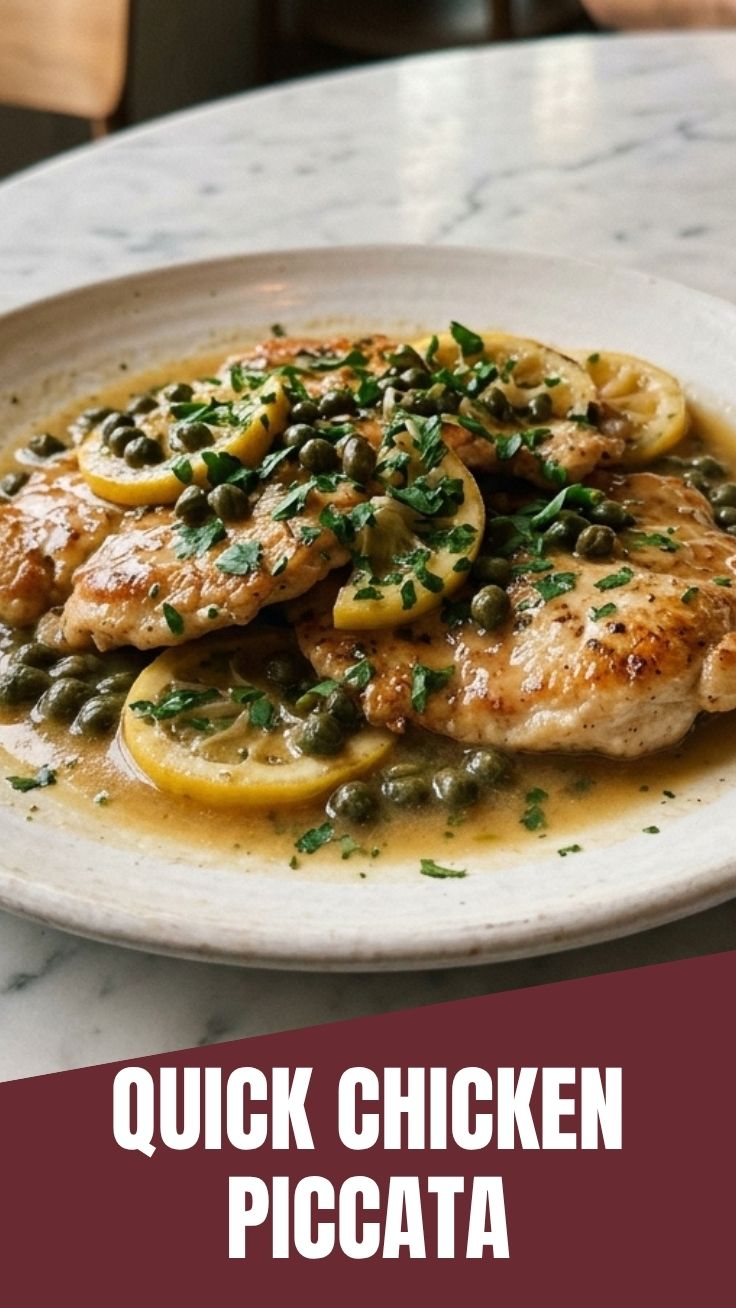
Ever wondered how to recreate that exquisite, restaurant-quality dish you adore right in your own kitchen? That delicate balance of tender chicken, zesty flavors, and a rich, velvety sauce? Today, we’re diving deep into the art of crafting a perfect Chicken Piccata – a classic Italian-American masterpiece that’s far more accessible to home cooks than you might imagine. Preparing this dish yourself isn’t just about saving money; it’s about controlling the quality of your ingredients, tailoring flavors to your preference, and experiencing the sheer joy of creating something truly delicious from scratch. And at the heart of this culinary triumph lies the exquisite Lemon Caper Sauce, a bright and briny concoction that elevates humble chicken to gastronomic heights. Get ready to impress yourself and your loved ones!
Ingredients & Kitchen Tools
- Boneless, Skinless Chicken Breasts (1.5 lbs, 4 cutlets): Opt for fresh, high-quality chicken. Can substitute with boneless, skinless chicken thighs for a richer flavor.
- All-Purpose Flour (1/2 cup): For dredging the chicken, creating a crisp exterior and helping the sauce adhere.
- Unsalted Butter (4 tbsp, divided): Essential for sautéing and building the sauce’s richness.
- Olive Oil (2 tbsp): Complements the butter for a higher smoke point and added flavor.
- Chicken Broth (1 cup): The savory base for the sauce. Use low-sodium for better control over seasoning.
- Fresh Lemon Juice (1/4 cup): The star of the show! Use freshly squeezed for the brightest, most vibrant flavor.
- Capers (2 tbsp, drained): These briny, pickled flower buds are non-negotiable for authentic piccata. Rinse them if you prefer less saltiness.
- Fresh Parsley (1/4 cup, chopped): For garnish and a fresh, herbaceous finish.
- Salt and Freshly Ground Black Pepper: To taste, for seasoning chicken and sauce.
- Optional: White Wine (1/4 cup, dry): Adds complexity and depth to the sauce.
- Optional: Red Pepper Flakes (Pinch): For a subtle kick.
Kitchen Tools:
- Meat Mallet or Rolling Pin: For pounding chicken to an even thickness.
- Shallow Dishes: Two, for flour dredging.
- Large Skillet (preferably non-stick or cast iron): For searing chicken and making the sauce.
- Whisk: For sauce emulsification.
- Tongs: For handling chicken.
- Measuring Cups & Spoons: For accurate ingredient portions.
Prep Time & Cooking Schedule
- Prep Time: 20 minutes (Includes pounding chicken, gathering ingredients, and chopping).
- Cook Time: 25-30 minutes (Searing chicken, deglazing, and simmering sauce).
- Total Time: Approximately 45-50 minutes.
This recipe is perfect for a weeknight meal or a special occasion, as it comes together relatively quickly. Pounding the chicken is crucial for even cooking, so don’t skip this step. Aim for a thickness of about 1/2 inch.
Step-by-Step Instructions
1. Prepare the Chicken: Pat the chicken breasts dry with paper towels. Place them between two sheets of plastic wrap and pound them to an even 1/2-inch thickness using a meat mallet or rolling pin. Season both sides generously with salt and pepper.
2. Dredge the Chicken: Place the flour in a shallow dish. Dredge each chicken cutlet in flour, shaking off any excess. This creates a beautifully crispy crust and helps the sauce adhere.
3. Sear the Chicken: Heat 2 tablespoons of olive oil and 2 tablespoons of unsalted butter in a large skillet over medium-high heat. Once the butter is melted and sizzling, add two chicken cutlets to the pan, ensuring not to overcrowd. Cook for 3-4 minutes per side, until golden brown and cooked through (internal temperature of 165°F/74°C). Remove the cooked chicken to a plate and cover loosely with foil to keep warm. Repeat with the remaining chicken.
4. Deglaze the Pan: Reduce heat to medium. Add the remaining 2 tablespoons of butter to the pan. If using, pour in the white wine and scrape up any browned bits from the bottom of the pan with a wooden spoon. Allow the wine to reduce slightly.
5. Create the Lemon Caper Sauce: Pour in the chicken broth and fresh lemon juice. Bring to a gentle simmer and cook for 3-5 minutes, allowing the sauce to reduce and thicken slightly. Stir in the capers. Continue simmering until the sauce reaches your desired consistency – it should be coating, not watery. This forms the soul of your perfect Chicken Piccata.
6. Finish and Serve: Return the cooked chicken cutlets to the pan with the sauce, spooning the sauce over them to coat. Garnish generously with fresh chopped parsley. Serve immediately with your favorite sides like pasta, rice, or steamed vegetables.
Nutritional Benefits & Advantages
Chicken Piccata, when prepared with lean chicken breast, offers a good source of lean protein vital for muscle repair and growth. The fresh lemon juice provides a boost of Vitamin C, an important antioxidant, while the capers add a unique briny flavor profile without significant calories. You can manage saturated fat content by using less butter or a butter-replacement alternative. This dish is naturally gluten-free if you use a gluten-free flour alternative for dredging, making it a versatile choice for various dietary needs.
Tips, Variations & Cooking Advice
Thickening the Sauce: If your sauce isn’t thickening enough, you can create a slurry* by mixing 1 teaspoon of flour or cornstarch with 1 tablespoon of cold water, then whisking it into the simmering sauce. Cook for another minute until thickened.
- Vegetarian Version: Substitute chicken with pan-fried portobello mushrooms or cauliflower steaks for a delicious vegetarian piccata.
- Creamy Piccata: For a richer sauce, stir in a splash of heavy cream at the very end, just before serving.
- Herb Variations: While parsley is traditional, try adding a sprinkle of fresh dill or chives for a different flavor profile.
- Serving Suggestions: This dish pairs wonderfully with angel hair pasta, risotto, mashed potatoes, or a simple green salad.
Common Mistakes to Avoid
- Overcrowding the Pan: This is a common pitfall. Cooking too much chicken at once lowers the pan’s temperature, leading to steamed chicken instead of beautifully seared, golden-brown cutlets. Cook in batches!
- Overcooking the Chicken: Chicken breast cooks quickly. Overcooking results in dry, tough chicken. Always aim for an internal temperature of 165°F (74°C).
- Under-Seasoning: Don’t be shy with salt and pepper on the chicken and taste the sauce before serving to adjust seasoning.
- Skipping the Pounding: Pounding creates even thickness, ensuring the chicken cooks uniformly.
Storage & Meal Prep Tips
Leftover Chicken Piccata stores well in an airtight container in the refrigerator for up to 3-4 days. For reheating, gently warm the chicken and sauce in a skillet over low heat, adding a splash of chicken broth or water if the sauce has thickened too much. Avoid high heat during reheating to prevent the chicken from drying out. This dish freezes reasonably well if separated: freeze the chicken and the sauce separately for best results. Thaw overnight in the refrigerator before reheating.
Conclusion
There you have it – the definitive guide to crafting an extraordinary Chicken Piccata right in your own kitchen! With its tender chicken, vibrant flavors, and the undeniable allure of the exquisite Lemon Caper Sauce, this dish is a testament to the power of simple, fresh ingredients. Don’t be intimidated; follow these steps, and you’ll be enjoying a restaurant-quality meal that’s both satisfying to cook and incredibly delicious to eat. We encourage you to try this recipe and share your culinary successes with us!
FAQs
Q1: Can I make this with bone-in, skin-on chicken?
A1: While traditionally made with boneless, skinless chicken breast, you can use bone-in pieces. However, adjust cooking times significantly to ensure the chicken is cooked through, and you might want to crisp the skin separately.
Q2: What if I don’t have fresh lemons?
A2: While fresh lemon juice is highly recommended for optimal flavor, you can use bottled lemon juice in a pinch. Start with slightly less and taste as you go, as bottled juice can sometimes be more concentrated.
Q3: Are capers really necessary?
A3: Capers are a signature ingredient of piccata and contribute significantly to its unique tangy, briny flavor profile. While you could technically omit them, the dish wouldn’t be authentic Chicken Piccata without them.
Q4: My sauce isn’t as thick as I’d like. What can I do?
A4: You can make a cornstarch slurry by mixing 1 teaspoon of cornstarch with 1 tablespoon of cold water. Whisk this gradually into the simmering sauce and cook for another minute or so until it thickens to your desired consistency.
Q5: Can I prepare any part of this in advance for meal prep?
A5: You can pound and flour the chicken cutlets a few hours in advance and keep them covered in the refrigerator. The sauce is best made fresh; however, you can pre-measure all your ingredients to streamline the cooking process.