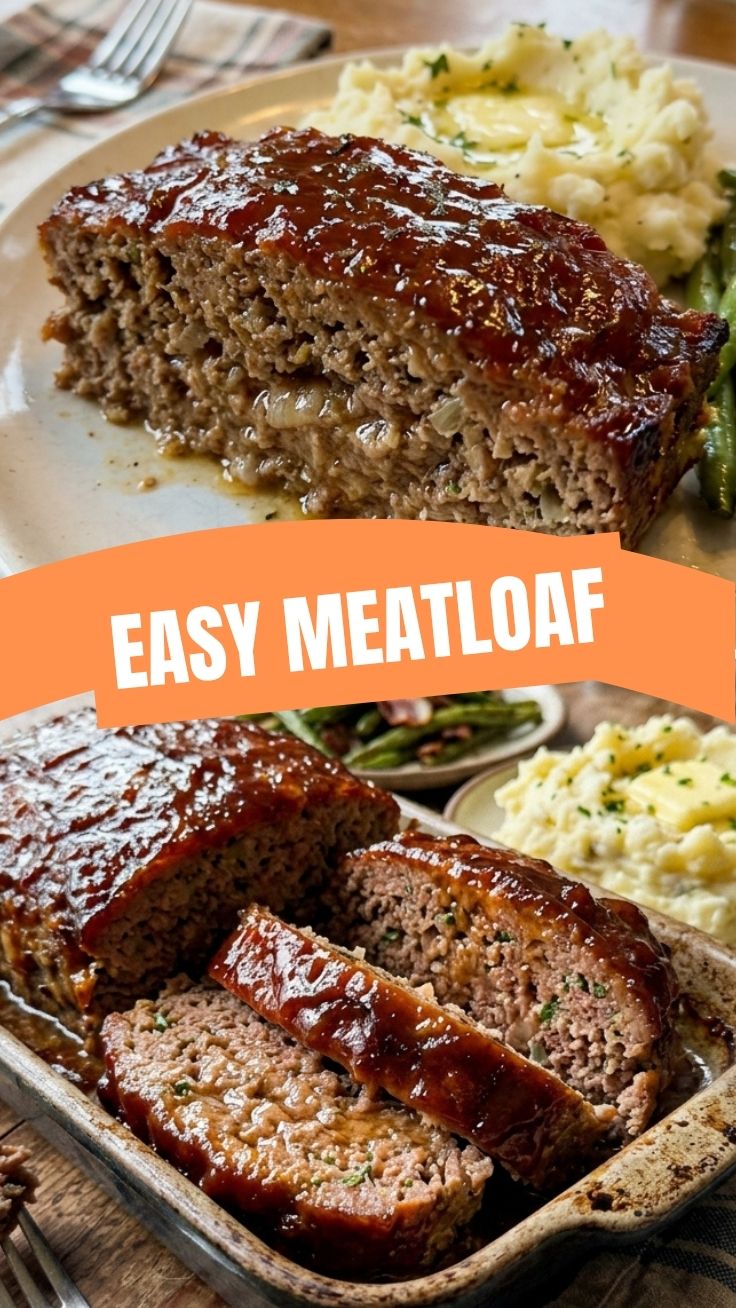
The Ultimate Comfort Food: Crafting the Perfect Meatloaf at Home
Tired of dry, bland meatloaf? Do you pine for that comforting, savory dish that brings back memories of home-cooked meals? There’s an undeniable satisfaction in preparing classic dishes from scratch, and a perfectly seasoned ground beef meatloaf is no exception. This guide will help you create a moist, flavorful, and unforgettable meal right in your own kitchen, proving that home cooking is not only rewarding but also incredibly delicious. We’ll delve into the secrets of achieving that ideal texture and robust flavor, ensuring your homemade meatloaf becomes an instant family favorite.
Ingredients & Kitchen Tools
- 1 ½ lbs ground beef (80/20 lean): Essential for a rich flavor and moist texture. The fat content prevents dryness.
- 1 small onion (diced finely): Adds aromatic depth without overpowering.
- ½ cup breadcrumbs (panko or plain): Binds the ingredients, absorbs moisture, and lightens the texture.
- ½ cup milk: Hydrates the breadcrumbs, keeping the meatloaf moist.
- 1 large egg: Acts as a binder, holding the mixture together.
- 2 tablespoons Worcestershire sauce: Provides a savory, umami kick.
- 1 teaspoon dried thyme: Earthy herb that complements beef beautifully.
- ½ teaspoon garlic powder: Convenient way to add garlic flavor.
- Salt and freshly cracked black pepper to taste: Basic seasoning, adjust per preference.
- For the Glaze:
* ½ cup ketchup: Classic tangy base for the glaze.
* 2 tablespoons brown sugar: Adds sweetness to balance the tang.
* 1 tablespoon apple cider vinegar: Brightens the glaze.
* 1 teaspoon Dijon mustard: A subtle hint of spice and depth.
- Kitchen Tools:
* Large mixing bowl: For combining all ingredients.
* 9×5 inch loaf pan: Shapes the meatloaf for even cooking.
* Whisk: For combining glaze ingredients.
* Measuring cups and spoons: For accurate ingredient measurements.
* Cutting board and sharp knife: For dicing the onion.
* Basting brush (optional): For applying the glaze evenly.
Prep Time & Cooking Schedule

- Prep Time: 15 minutes. This includes dicing the onion and mixing all the ingredients.
- Cook Time: 60-75 minutes. The exact time will depend on your oven and the thickness of your meatloaf.
- Resting Time: 10 minutes. Crucial for juicy results, allowing the juices to redistribute.
Plan to start your prep about 1.5 hours before you want to serve dinner. The resting time is non-negotiable for a perfectly moist slice!
Step-by-Step Instructions
1. Preheat Oven & Prepare Pan: Preheat your oven to 350°F (175°C). Lightly grease your 9×5 inch loaf pan.
2. Soak Breadcrumbs: In a large mixing bowl, combine the breadcrumbs and milk. Let stand for 5 minutes to allow the breadcrumbs to absorb the milk. This step is key for a tender meatloaf.
3. Combine Ingredients: Add the ground beef, diced onion, egg, Worcestershire sauce, dried thyme, garlic powder, salt, and black pepper to the breadcrumb mixture.
4. Mix Gently: Using your hands, gently mix until just combined. Be careful not to overmix, as this can lead to a tough meatloaf. The texture should be uniform but not dense.
5. Form Loaf: Transfer the mixture to the prepared loaf pan. Gently press it down and shape the top into a slight dome.
6. Prepare Glaze: In a small bowl, whisk together the ketchup, brown sugar, apple cider vinegar, and Dijon mustard.
7. Initial Bake: Bake for 45 minutes.
8. Apply Glaze: Remove the meatloaf from the oven and spread half of the glaze evenly over the top.
9. Final Bake: Return to the oven and bake for another 15-20 minutes, or until the internal temperature reaches 160°F (71°C) when measured with a meat thermometer.
10. Rest & Serve: Remove from the oven, spread the remaining glaze, and let the meatloaf rest in the pan for 10 minutes before slicing and serving. This allows the juices to redistribute, ensuring a moist and flavorful slice.
Nutritional Benefits & Advantages
This homemade meatloaf offers a significant advantage over many processed alternatives. Using lean ground beef provides an excellent source of protein, essential for muscle repair and growth, along with vital B vitamins (B12, B6) and iron, crucial for energy and preventing anemia. Incorporating vegetables like onions adds dietary fiber and antioxidants. By making it yourself, you control the sodium content and avoid artificial additives often found in store-bought versions, making it a healthier, more nutrient-rich option for your family.
Tips, Variations & Cooking Advice
- Flavor Boosts: Add finely chopped bell peppers, shredded carrots, or even a dash of smoked paprika for extra depth.
- Herb Variations: Experiment with dried rosemary, sage, or a blend of Italian herbs.
- Glaze Alternatives: Try a BBQ sauce-based glaze, a mushroom gravy, or simply a sprinkle of fresh parsley for a lighter finish.
- Mini Meatloaves: For faster cooking and individual portions, form the mixture into several smaller loaves on a baking sheet. Adjust cooking time accordingly.
- Gluten-Free: Substitute regular breadcrumbs with gluten-free breadcrumbs or certified gluten-free rolled oats.
- Dairy-Free: Use a dairy-free milk alternative or omit it entirely, reducing the breadcrumbs slightly.
Common Mistakes to Avoid
- Overmixing: This develops the proteins in the meat too much, resulting in a tough, dense meatloaf. Mix just until combined.
- Not Using a Loaf Pan: While free-forming is possible, a loaf pan helps maintain its shape and moisture, yielding a more uniform cook.
- Skipping the Rest Time: Impatience will cost you. Resting allows the internal juices to settle, making for a much juicier slice.
- Under-Seasoning: Don’t be shy with salt, pepper, and herbs. Taste a small, cooked portion of the mixture before forming the loaf to adjust seasonings.
- Overcooking: Use a meat thermometer! Cooking past 160°F (71°C) will dry out your meatloaf significantly.
Storage & Meal Prep Tips
Leftover meatloaf is a culinary gem! Wrap cooled slices tightly in plastic wrap or aluminum foil, then store them in an airtight container in the refrigerator for up to 3-4 days. For longer storage, individual slices can be frozen for up to 3 months. Thaw frozen meatloaf in the refrigerator overnight. Reheat gently in the microwave, oven (covered to prevent drying), or even pan-fry slices for a crispy edge. It’s fantastic in sandwiches, crumbled over salads, or alongside mashed potatoes for another quick meal.
Conclusion
Crafting a delicious and moist meatloaf from scratch is a highly rewarding experience, transforming simple ground beef into a masterpiece of comfort food. By following these detailed steps and embracing the tips for perfection, you’re not just making a meal; you’re creating a cherished culinary memory. We encourage you to try this recipe and discover the joy of a truly homemade classic. Share your results and tell us your favorite variations in the comments below!
FAQs
Q1: Why is my meatloaf dry?
A1: Common causes are overmixing the meat, using too lean of ground beef (opt for 80/20), or overcooking. Ensure you use the recommended fat content, mix gently, and use a meat thermometer to pull it from the oven at 160°F.
Q2: Can I make this ahead of time?
A2: Yes! You can mix the meatloaf ingredients and form the loaf a day in advance. Cover it tightly and refrigerate. Let it sit at room temperature for 20-30 minutes before baking.
Q3: What can I use instead of breadcrumbs?
A3: Crushed saltine crackers, rolled oats (ensure they’re gluten-free if needed), or even finely ground pork rinds (for a low-carb option) can be used as binders.
Q4: My meatloaf fell apart. What went wrong?
A4: This often happens if there isn’t enough binder (egg or breadcrumbs) or if it wasn’t allowed to rest properly after cooking. Ensure your proportions are right and always let it rest for at least 10 minutes before slicing.
Q5: Can I cook this in an air fryer?
A5: While possible for smaller meatloaves, a traditional loaf pan in an oven is recommended for even cooking and moisture retention for this size. If air frying, reduce temperature and cooking time and check frequently.