Unveiling Culinary Comfort: The Ultimate Guide to Homemade Lasagna
Ever dreamt of a dish that wraps you in a warm, flavorful embrace with each delectable bite? A culinary masterpiece that consistently brings smiles to the table? Today, we’re diving deep into the heart of comfort food with homemade Lasagna, a dish synonymous with gatherings, celebration, and pure gastronomic joy. Forget the pre-made versions; preparing this layered Italian classic at home isn’t just about cooking, it’s about crafting an experience. It’s about tailoring flavors to your exact preferences, ensuring the freshest ingredients, and ultimately, creating a dish that truly reflects your culinary passion. By mastering this intricate yet rewarding recipe, you’ll unlock a world of delicious possibilities, offering a satisfying alternative to countless other main courses. If you’re eager to explore more pasta delights, consider perusing a treasure trove of Lasagna recipes to broaden your culinary horizons.
Ingredients & Kitchen Tools
To embark on this savory journey, gather the following essentials:
- 1 pound ground beef or Italian sausage: (lean, for less grease) – imparts a rich, meaty foundation.
- 1 large onion: (finely chopped) – adds aromatic depth.
- 2-3 cloves garlic: (minced) – essential for that classic Italian flavor.
- 1 (28-ounce) can crushed tomatoes: (unseasoned) – forms the base of a vibrant sauce.
- 2 (15-ounce) cans tomato sauce: (unseasoned) – for a richer, more robust sauce consistency.
- 1/2 cup water or beef broth: (optional, for sauce consistency) – thins the sauce slightly if needed.
- 2 tablespoons olive oil: (extra virgin preferred) – for sautéing.
- 1 teaspoon dried basil: (or 2 tablespoons fresh, chopped) – quintessential Italian herb.
- 1 teaspoon dried oregano: (or 2 tablespoons fresh, chopped) – another key aromatic.
- 1/2 teaspoon red pepper flakes: (optional, for a touch of heat) – adds a subtle kick.
- Salt and freshly ground black pepper: (to taste) – critical for seasoning.
- 12-16 Lasagna noodles: (oven-ready or traditional, cooked al dente) – the foundation of your layers.
- 15 ounces ricotta cheese: (whole milk preferred) – provides creamy richness.
- 1 large egg: (lightly beaten) – binds the ricotta mixture.
- 1/4 cup chopped fresh parsley: (adds freshness and flavor) – a bright, herbaceous note.
- 2 cups shredded mozzarella cheese: (low-moisture, part-skim) – melts beautifully and delivers that essential gooey texture.
- 1/2 cup grated Parmesan cheese: (Parmigiano-Reggiano preferred) – for sharp, salty notes and a golden crust.
Kitchen Tools:
- Large saucepan or Dutch oven: for simmering the meat sauce.
- 9×13 inch baking dish: the ideal size for a family-sized Lasagna.
- Large mixing bowls: for preparing the ricotta mixture and other components.
- Whisk or fork: for combining ingredients.
- Spatula or wooden spoon: for stirring and layering.
- Measuring cups and spoons: for accurate ingredient measurement.
Prep Time & Cooking Schedule
- Prep Time: 30-45 minutes (includes chopping, sauce preparation, and cheese mixture assembly).
- Cook Time: 45-55 minutes (for baking, plus 10 minutes covered if using uncooked noodles).
- Resting Time: 15-20 minutes after baking (crucial for setting the layers and preventing a melty, messy slice). This allows the cheese and sauce to firm up, making for cleaner, more impressive servings.
Step-by-Step Instructions
1. Prepare the Meat Sauce: In a large saucepan, heat 1 tablespoon of olive oil over medium heat. Add the ground beef or Italian sausage and cook, breaking it up with a spoon, until browned. Drain any excess fat. Add the chopped onion and cook until softened, about 5 minutes. Stir in the minced garlic and cook for another minute until fragrant. Pour in the crushed tomatoes, tomato sauce, water (if using), basil, oregano, and red pepper flakes (if desired). Season with salt and pepper to taste. Bring to a simmer, then reduce heat to low, cover, and let it gently simmer for at least 30 minutes, or up to an hour, for flavors to meld.
2. Cook the Lasagna Noodles: If using traditional noodles, cook them according to package directions until al dente. Drain and rinse with cold water to prevent sticking. If using oven-ready noodles, no pre-cooking is required.
3. Assemble the Ricotta Mixture: In a medium bowl, combine the ricotta cheese, beaten egg, chopped fresh parsley, and a pinch of salt and pepper. Mix well until everything is thoroughly combined.
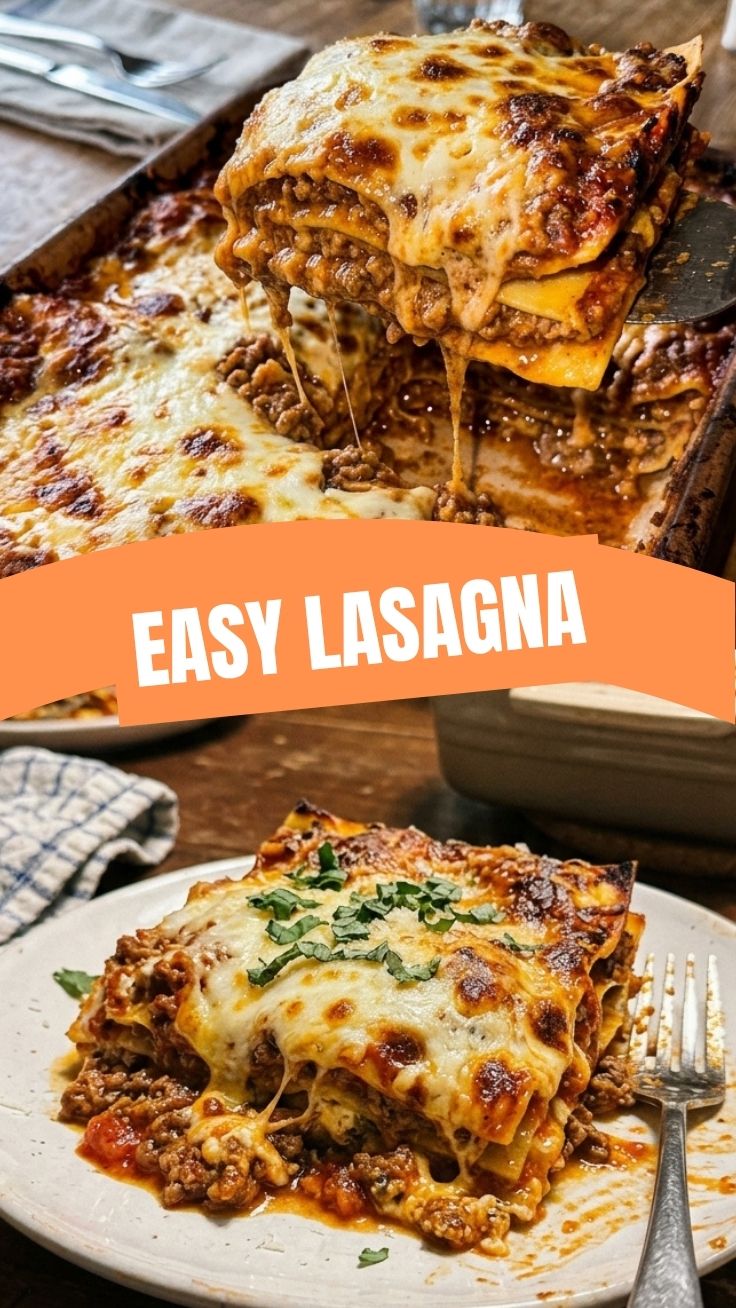
4. Layer the Lasagna: Preheat your oven to 375°F (190°C). Spread a thin layer of meat sauce on the bottom of your 9×13 inch baking dish. Arrange a single layer of noodles over the sauce. Spread half of the ricotta mixture over the noodles. Top with about a third of the remaining meat sauce, followed by a third of the mozzarella cheese and Parmesan cheese. Repeat the noodle, ricotta, sauce, and cheese layers. For the final layer, place noodles, cover with the remaining meat sauce, and generously sprinkle with the rest of the mozzarella and Parmesan cheese. This structured layering ensures every bite of your Lasagna recipes creation is bursting with balanced flavor and texture.
5. Bake the Lasagna: Cover the baking dish tightly with aluminum foil (you can spray the underside of the foil with non-stick spray to prevent cheese from sticking). Bake for 25 minutes. Remove the foil and bake for an additional 20-30 minutes, or until the cheese is bubbly and lightly golden brown.
6. Rest and Serve: Allow the freshly baked Lasagna to rest for 15-20 minutes before slicing and serving. This resting period is crucial for the layers to set and for easier, cleaner cuts.
Nutritional Benefits & Advantages
Homemade Lasagna offers more than just comfort; it can be a surprisingly nutritious meal. The lean ground meat provides a good source of protein, essential for muscle repair and growth. Tomatoes are packed with lycopene, a powerful antioxidant, and Vitamin C. Ricotta cheese offers calcium for bone health, while the whole wheat noodles (if chosen) contribute dietary fiber for digestive well-being. By controlling the ingredients, you can reduce sodium and unhealthy fats often found in store-bought options, making it a healthier, more wholesome choice for your family.
Tips, Variations & Cooking Advice
- Vegetarian Version: Substitute the meat with sautéed mushrooms, spinach, zucchini, and eggplant for a delightful vegetarian Lasagna.
- Spice It Up: Add a pinch more red pepper flakes or a dash of hot sauce to the meat sauce for an extra kick.
- Herb Power: Experiment with other fresh herbs like thyme or rosemary in your sauce for different flavor profiles.
- Cheese Alternatives: For a sharper flavor, use provolone or fontina cheese in addition to mozzarella.
- Gluten-Free: Use gluten-free lasagna noodles and ensure all other ingredients are certified gluten-free.
- Dairy-Free: Utilize plant-based ricotta (e.g., almond or cashew based) and dairy-free mozzarella and Parmesan alternatives.
Common Mistakes to Avoid
- Not Draining Fat from Meat: This can make your Lasagna greasy. Always drain excess fat after browning.
- Overcooking Noodles: If using traditional noodles, cook them al dente. Overcooked noodles can become mushy in the oven.
- Not Resting the Lasagna: This is the most common mistake! Skipping the resting period will result in runny, messy slices.
- Too Much Liquid: Ensure your meat sauce isn’t too watery, as this can make the entire dish soggy. Simmer it down to a thick consistency.
- Uneven Layers: Aim for even distribution of sauce, cheese, and noodles for a balanced bite every time.
Storage & Meal Prep Tips
Leftover Lasagna is arguably even better the next day!
- Refrigeration: Store cooled portions in an airtight container in the refrigerator for up to 3-4 days.
- Freezing: Slice the cooled Lasagna into individual portions. Wrap each portion tightly in plastic wrap, then aluminum foil. Freeze for up to 2-3 months.
- Reheating: For refrigerated Lasagna, reheat in the microwave or oven (350°F/175°C) until heated through. For frozen portions, thaw overnight in the refrigerator, then reheat as above, or reheat directly from frozen at a lower temperature (325°F/160°C) for a longer time, covered, until hot.
Conclusion
Crafting your own homemade Lasagna is a truly rewarding culinary experience. From the rich, savory meat sauce to the creamy ricotta and gooey cheese, each layer contributes to a symphony of flavors and textures that defines classic Italian comfort. By following these detailed instructions, you’re not just making a meal; you’re creating cherished memories around the dinner table. We encourage you to try this ultimate Lasagna recipe, personalize it to your taste, and share the joy with your loved ones. Don’t forget to take photos of your masterpiece and share them with us! For more inspiring Italian dishes, be sure to explore our collection of delightful Lasagna recipes.
FAQs
Q1: Can I make the meat sauce ahead of time?
A: Absolutely! The meat sauce can be prepared up to 2-3 days in advance and stored in the refrigerator, or frozen for up to 3 months. This actually allows the flavors to deepen even further.
Q2: What if my Lasagna turns out too watery?
A: This usually means your meat sauce was too thin, or your noodles weren’t drained properly. Ensure your sauce is thick before layering, and if using traditional noodles, drain them thoroughly.
Q3: Can I add vegetables to the layers?
A: Yes! Sautéed spinach (squeezed dry), zucchini, or mushrooms can be excellent additions for extra flavor and nutrients.
Q4: How do I get a nice golden-brown top?
A: Ensure the last layer of cheese is generously applied. Towards the end of baking, if your Lasagna isn’t browning enough, you can set the oven to broil for 1-2 minutes, watching it very carefully to prevent burning.