The Ultimate Guide to Crafting the Perfect Anytime Salad in a Jar
Tired of lackluster lunches that leave you feeling sluggish? Imagine a vibrant, flavour-packed meal that not only tastes incredible but also supports your wellness goals and is ready to grab-and-go. That’s the magic of a homemade salad in a jar. Beyond the undeniable convenience, preparing your own meals empowers you to control ingredients, tailor flavors to your palate, and ultimately, embark on a journey towards a healthier lifestyle. Today, we’re diving deep into creating the ultimate healthy weight loss salad in a jar – a game-changer for busy schedules and mindful eating.
Ingredients & Kitchen Tools
Crafting your perfect jarred salad starts with fresh ingredients and the right gear. Here’s what you’ll need:
- Large Mason Jars (16-24 oz): The essential vessel for layering. Wide-mouth jars (approx. 450-700ml) are easiest to pack and eat from.
- Whisk: For emulsifying your dressing.
- Measuring Spoons & Cups: Precision for perfect portions.
- Cutting Board & Sharp Knife: For safe and efficient produce preparation.
- Salad Spinner: To ensure your greens are crisp and dry.
- Salad Dressing of Choice: (e.g., vinaigrette, lemon-tahini, light ranch). Clarification: Start with your dressing at the bottom to prevent soggy greens.
- Hard Vegetables: (e.g., carrots, cucumbers, bell peppers, cherry tomatoes, radish). Clarification: These form the next layer, resisting dressing absorption.
- Protein: (e.g., grilled chicken breast, chickpeas, hard-boiled eggs, cooked quinoa). Clarification: Adds satiety and essential amino acids.
- Grains/Pasta: (e.g., cooked farro, couscous, whole wheat pasta). Optional but boosts fibre and energy.
- Soft Vegetables/Fruits: (e.g., avocado slices, berries, blanched asparagus). Clarification: Layer these gently above the protein.
- Leafy Greens: (e.g., spinach, mixed greens, romaine lettuce, kale). Clarification: The bulk of your salad, placed at the very top.
- Nuts/Seeds/Croutons: (e.g., sliced almonds, sunflower seeds, pumpkin seeds, whole-grain croutons). Optional: Pack these in a separate small container to maintain crunch.
Prep Time & Cooking Schedule
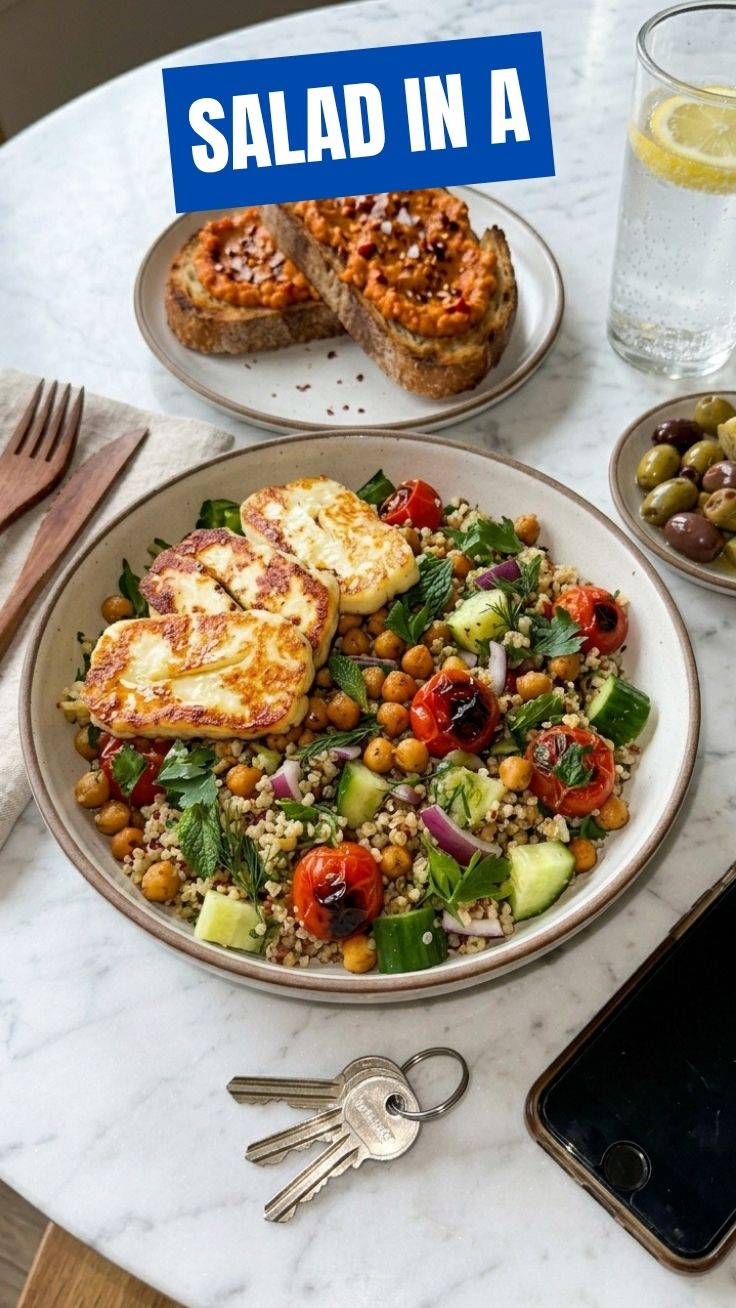
The beauty of these portable salad recipes lies in their efficient preparation.
- Prep Time: 20-30 minutes (depending on components and batch size). This includes chopping vegetables, preparing proteins, and making dressing.
- Cook Time: 0-15 minutes (if grilling chicken or boiling eggs).
- Batch Preparation: Aim to prepare 3-5 jars at once for a week of convenient, healthy meals. Allow all cooked components to cool completely before layering to prevent condensation and spoilage.
Step-by-Step Instructions
Creating a well-layered healthy weight loss salad in a jar is an art that ensures freshness and flavor in every bite. Follow these steps for success:
1. Start with Dressing: Pour 2-3 tablespoons of your desired dressing into the very bottom of a clean, dry Mason jar. This crucial first layer prevents other ingredients from getting soggy.
2. Add Hard Vegetables: Next, layer in your firm, non-absorbent vegetables such as chopped carrots, cucumbers, bell peppers, or cherry tomatoes. These sturdy ingredients act as a protective barrier against the dressing.
3. Introduce Proteins/Grains: Layer your chosen protein (e.g., grilled chicken, chickpeas) or grains (quinoa, farro) next. Ensure they are completely cooled to avoid wilting temperature-sensitive items above.
4. Include Soft Vegetables/Fruits: Gently add softer items like avocado slices, blanched asparagus, or berries. These are delicate and benefit from being layered above sturdier components.
5. Pack in Leafy Greens: Fill the remaining space in the jar with your washed and thoroughly dried leafy greens. Pack them in loosely enough to avoid crushing but firmly enough to maximize space.
6. Seal and Store: Screw on the lid tightly. If you’re adding crispy components like nuts, seeds, or croutons, keep them in a separate small container and add just before eating to maintain their crunch. This method works perfectly for a variety of portable salad recipes.
Nutritional Benefits & Advantages
This layered salad is a powerhouse of nutrition. By incorporating a variety of colorful vegetables, lean proteins, and whole grains, you’re boosting your intake of essential vitamins, minerals, and dietary fiber. The high fiber content promotes satiety, aiding in weight management and digestive health. Furthermore, controlling your ingredients means you’re reducing processed foods, unhealthy fats, and excessive sodium often found in pre-made options. It’s a fresh, customizable approach to eating well.
Tips, Variations & Cooking Advice
- Flavor Boosters: Add fresh herbs (basil, cilantro, mint), a squeeze of lemon juice, or a pinch of chili flakes for an extra kick.
- Ingredient Swaps: Experiment with different vegetables based on seasonality – roasted sweet potato cubes are excellent in colder months! For protein, try baked salmon, shrimp, or crumbled firm tofu.
- Dietary Adaptations: Easily make this gluten-free by omitting grains or using gluten-free pasta. For a dairy-free version, choose a vinaigrette-based dressing and avoid cheese.
- Pre-Cooked Batching: Cook a larger batch of grains or protein at the beginning of the week to streamline your assembly process.
- Texture Contrast: Always consider contrasting textures – crunchy veggies, creamy avocado, chewy grains – for a more enjoyable eating experience.
Common Mistakes to Avoid
- Wet Greens: Always ensure your leafy greens are completely dry after washing. Excess moisture leads to soggy, unappetizing salads. Use a salad spinner!
- Incorrect Layering: Putting dressing directly on greens or soft ingredients will result in a mushy salad. Stick to the dressing-hard veggies-protein-soft veggies-greens sequence.
- Overfilling: Leave a little headspace at the top of the jar to allow for mixing when you’re ready to eat.
- Warm Ingredients: Never layer warm ingredients into the jar, as this creates condensation that can spoil the salad prematurely.
- Forgetting Separates: Crispy elements like tortilla strips or croutons should always be added just before serving.
Storage & Meal Prep Tips
These jarred salads are champions of meal prep! Store them upright in the refrigerator for up to 3-5 days. The layering technique is specifically designed to keep ingredients fresh, with the dressing sealed away from the greens. Avoid freezing these salads, as most of the components, especially greens and soft vegetables, will not thaw well. When ready to eat, simply shake the jar to distribute the dressing, or empty the contents into a bowl for easier mixing.
Conclusion
Embracing the convenience and nutritional power of a homemade healthy weight loss salad in a jar is a simple yet profound step towards a more wholesome lifestyle. These versatile and portable salad recipes are not just about food; they’re about reclaiming your lunch break, nourishing your body, and enjoying delicious, fresh meals without compromise. We encourage you to try this method, experiment with your favorite ingredients, and discover the joy of effortless healthy eating. Share your jar creations with us – we’d love to see your vibrant culinary masterpieces!
FAQs
Q1: How long do salads in a jar typically stay fresh?
A1: When properly layered and sealed, most salads in a jar can stay fresh in the refrigerator for 3-5 days. The key is to keep the dressing at the bottom and greens at the top.
Q2: Can I put warm ingredients in the jar if I let them cool first?
A2: Yes, absolutely! Cooked proteins like chicken or grains like quinoa should be completely cooled to room temperature before being added to the jar to prevent condensation and keep other ingredients fresh.
Q3: What’s the best way to eat a salad from a jar?
A3: You can either shake the sealed jar vigorously to distribute the dressing, or, for an easier and less messy experience, simply empty the contents into a bowl and toss everything together.
Q4: Can I meal prep dressings ahead of time?
A4: Yes, preparing a larger batch of your favorite homemade dressing at the start of the week is a great time-saver. Store it in a separate airtight container in the fridge for up to a week.
Q5: Are there any ingredients I should avoid putting in a salad jar?
A5: Avoid highly perishable items, overly delicate herbs that bruise easily, or very watery fruits that might release too much moisture. Also, store crunchy toppings like croutons separately to prevent them from getting soggy.